
-
+91 9322521507
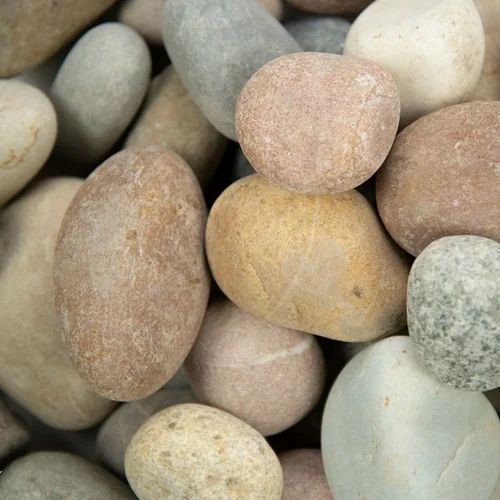
Gravel in water purification acts as a physical barrier and supporting layer, helping to remove sediment and other large particles from the water. It also helps prevent the washout of finer filter materials and ensures even water distribution within the filter.
Here's a more detailed explanation:
Physical Barrier:
Gravel traps larger particles like debris, sediment, and organic matter as water flows through it.
Support Layer:
Gravel provides a stable base for other filter materials, like sand or activated carbon, preventing them from being washed away by the water flow.
Even Water Distribution:
The gaps between gravel particles create a porous structure that allows water to flow evenly through the filter, ensuring good contact with the filter media and preventing channeling or bypassing of water.
Pollutant Removal:
Gravel helps to remove pollutants like bacteria, viruses, and organic waste by providing a larger surface area for them to cling to and accumulate, which then helps in their removal from the water.
Effective under varying water levels:
Gravel filters can continue to effectively remove pollutants even if the water level changes or if the system starts to clog.
Complementary to other filter materials:
Gravel is often used in combination with other filter materials like sand and activated carbon, with the gravel serving as the initial layer to trap larger particles.